
 Call Us Now
 Email Us Now



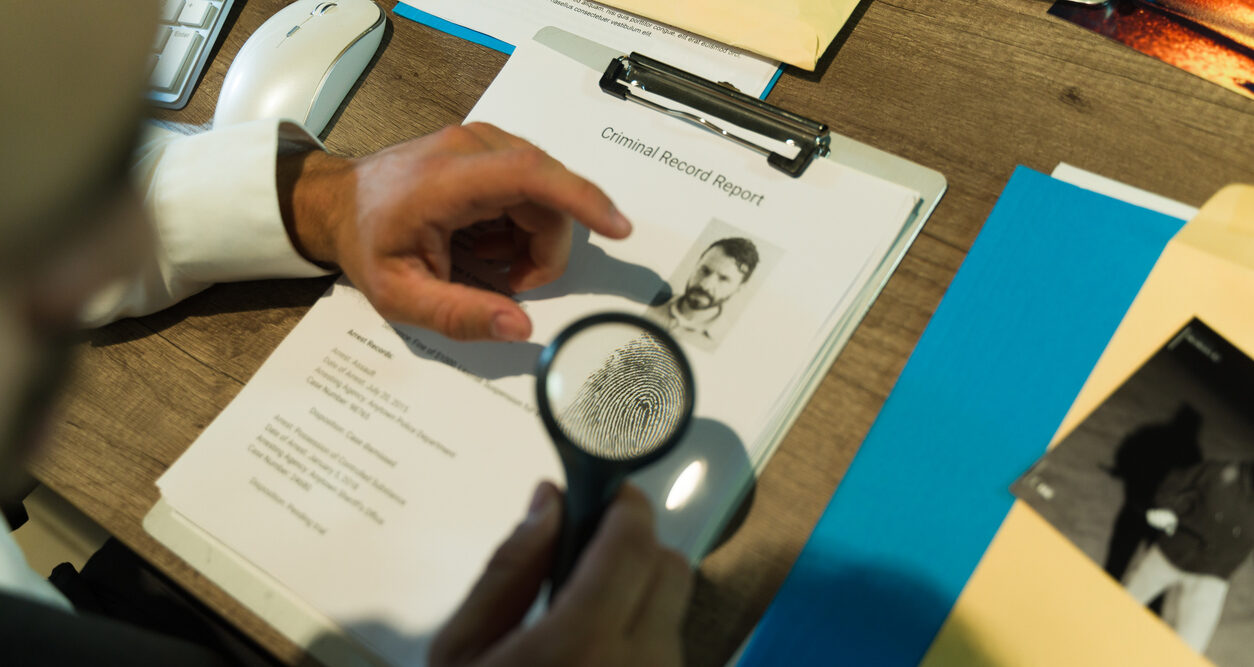
A youthful mistake can follow someone for decades. In Polk County and across Florida, a juvenile arrest record can surface in background checks, block job opportunities, and complicate housing applications long after the case is closed. The good news is that Florida law gives many people a real path to clearing that record, but the options are not the same, and the process is not automatic.
Understanding the difference between expungement and sealing is the first step toward putting a juvenile arrest behind you for good.
What Is the Difference Between Expungement and Sealing?
Sealing hides a record from most public searches; expungement physically destroys it. Both offer protection, but expungement provides broader relief under Florida law.
When a record is sealed, it is removed from public view. Most employers, landlords, and members of the public cannot access it. The record still exists, and certain government agencies, law enforcement, and licensing boards may still see it under Florida Statute § 943.059.
When a record is expunged, the court orders it expunged, requiring agencies to destroy their copies while FDLE preserves a confidential, nonpublic record. Under Florida Statute § 943.0585, an expunged record offers the strongest available protection. After expungement, a person can legally deny in most situations that the arrest ever occurred, with limited exceptions.
Both options are significant. Which one applies depends on the outcome of the case and the nature of the offense.
Can Juvenile Records Be Expunged or Sealed in Florida?
Many juvenile records in Florida are eligible for sealing or expungement, but eligibility depends on the offense, case outcome, and the individual’s prior record history.
Florida handles juvenile records differently from adult criminal records. Under Florida Statute § 943.0515, most juvenile arrest records are automatically expunged when the person turns 21, or at 26 for those classified as serious or habitual juvenile offenders or committed to a maximum-risk residential facility, unless the person is charged with or convicted of a forcible felony at age 18 or older. This automatic expungement is separate from petitioning the court yourself.
That said, waiting until 21 is not always the right move. If you need a clean record now, for a job, a military application, or a professional license, you may be able to apply to the FDLE for early juvenile expunction if you are between ages 18 and 21, have not been charged with or found to have committed any criminal offense in the preceding 5 years, and obtain approval from the state attorney or petition for sealing or expungement before that automatic date arrives.
For those adjudicated as adults for a forcible felony, the automatic juvenile expungement under § 943.0515 does not apply; the earlier juvenile record is merged with the adult record. Those situations are governed by the adult expungement and sealing statutes, which carry their own eligibility criteria.
Who Qualifies for Expungement or Sealing in Florida?
To qualify, a person must generally have no prior sealed or expunged record, no adjudication of guilt, and the offense must not be listed among Florida’s disqualifying crimes.
Florida law sets clear eligibility requirements under §§ 943.0585 and 943.059:
- The person must not have previously had a record sealed or expunged by a Florida court.
- The person must not have been adjudicated guilty of a criminal offense, or adjudicated delinquent for a felony or certain listed misdemeanors, and, for expungement, must not have been adjudicated guilty or delinquent in the case being cleared. Sealing requires that the person has never been adjudicated guilty of the underlying charge.
- The offense must not be among those specifically disqualified by statute, which includes many violent and sexual offenses.
For juvenile cases, a dismissal, nolle prosequi, acquittal, or no-information filing supports expungement, while a withholding of adjudication may support sealing or, under qualifying conditions, eventual expungement. An adjudication of delinquency that would be a felony or certain misdemeanors if committed by an adult may disqualify someone from both sealing and expungement, unless that juvenile record has already been expunged under § 943.0515.
One important restriction: Florida generally allows only one court-ordered expungement or sealing per lifetime. That makes it essential to use this option wisely.
How Do You Apply for Expungement or Sealing in Florida?
The process requires a Certificate of Eligibility from the Florida Department of Law Enforcement, followed by a petition filed with the court that has jurisdiction over the case, usually in the county where the arrest occurred.
The process involves several steps:
- Obtain a certified disposition of the case from the clerk of court.
- Submit an application to the Florida Department of Law Enforcement (FDLE) for a Certificate of Eligibility (for expungement, the application must also include a written certified statement from the state attorney).
- Once the certificate is issued, file a petition with the court that has jurisdiction over the case, usually in the county where the arrest took place.
- Serve the petition on the state attorney’s office and the arresting agency, both of which may respond.
- Attend a hearing if required, or await the court’s ruling.
For Bartow residents, this process is handled by the Polk County Clerk of Courts and the Tenth Judicial Circuit. The FDLE application requires a processing fee, and timelines can vary. Having an attorney guide the petition reduces the risk of errors that delay or derail the process.
Why This Matters More Than You Might Think
Florida law allows people in most situations to lawfully deny that an expunged arrest ever occurred. That carries weight in job interviews, rental applications, and background checks for professional licensing. A sealed record still requires disclosure to certain agencies and in certain proceedings, which is one reason the distinction between the two matters so much.
Juvenile delinquency defense and long-term consequences are closely linked. Acting early, before an adjudication closes off options, can make the difference between a juvenile record that disappears and one that defines a person’s adult life.
Talk to Our Attorneys in Bartow
At The Law Firm of Gil Colón, Jr., we have worked on criminal defense and record-clearing matters in Polk County for 35 years. Our office is two blocks from the Polk County Courthouse, and our attorneys regularly appear there. We offer free consultations and can review your juvenile record history to determine whether expungement, sealing, or both may be available to you.
If you are ready to explore your options, contact us online or call us directly at 863-622-9602. The sooner you act, the more options you are likely to have.